Source Commercial Kids Bungee Trampoline for Parks, Gyms, Schools
Compare 30 listings for commercial kids bungee trampoline units suitable for amusement parks, gyms, and schools. Buyers can evaluate specifications like enclosure height, jumping weight capacity, and safety certifications including CE and ISO standards; compare the available evidence and request quotations based on your requirements.
Key considerations
Products List


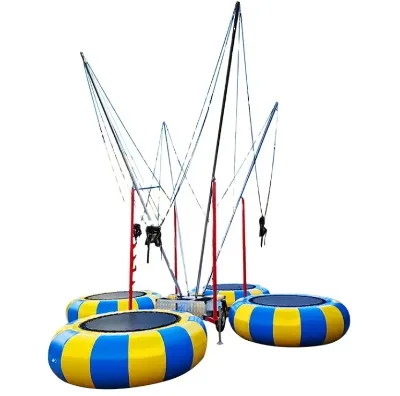


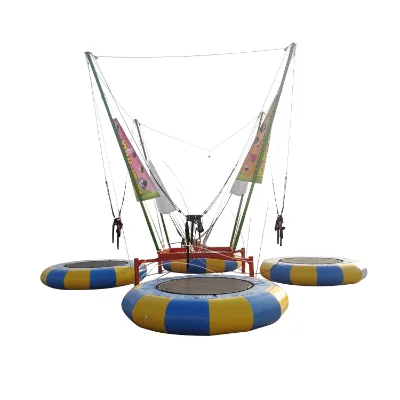


Comprehensive Sourcing Guide
Commercial Kids Bungee Trampoline Sourcing Guide
Procuring commercial-grade bungee trampolines requires a strategic approach that balances safety compliance with operational durability. Buyers must first define the target demographic, as observed listings indicate distinct configurations for children aged three to twelve years versus adult users. This distinction dictates critical design parameters, including enclosure height and maximum jumping weight limits. For younger demographics, the equipment often features lower profiles and specific weight restrictions, such as ranges between 65kg and 100kg, to ensure appropriate resistance and safety. Conversely, adult-oriented models may support higher jumping weights exceeding 100kg, requiring more robust structural integrity. Understanding these demographic splits is essential for selecting the right unit for your specific venue, whether it is an indoor amusement park, a dedicated trampoline park, or a family entertainment center.
The physical footprint and installation environment also play pivotal roles in the sourcing decision. Observed data suggests that these units are frequently designed for indoor use, with dimensions ranging from standard ten-foot configurations to larger custom sizes exceeding sixteen feet. The shape of the trampoline, typically rectangular or square, influences the available play area, which can span from 800 to 1000 square meters in large-scale installations. Buyers should verify the exact spatial requirements early in the process to ensure the facility can accommodate the equipment without compromising safety zones. Additionally, the material composition, often involving galvanized tubes, polypropylene components, and high-tension springs, must be evaluated for longevity and resistance to wear in high-traffic commercial environments.
Product Scope and Observed Listing Signals
The market for commercial bungee trampolines presents a wide variance in pricing and minimum order quantities, reflecting the complexity of customization. Observed price points range significantly, indicating that basic units may start at lower thresholds while fully customized, large-scale installations can reach substantially higher costs. Minimum order quantities typically begin at one unit, allowing for single-site procurement, but may scale up to one hundred units for large amusement park developments. This flexibility enables buyers to start with pilot installations or commit to extensive rollouts depending on their capital expenditure strategy. It is crucial to align the order quantity with your projected foot traffic and maintenance capacity, as larger orders often unlock better logistical efficiencies but require greater upfront investment and storage considerations.
Customization is a dominant feature in this category, with many suppliers offering tailored designs to meet specific brand or spatial needs. The observed product models, such as the VS6 series, suggest a standardized yet adaptable framework that allows for modifications in size, color, and functional attributes. Buyers should expect options for multi-functional designs that integrate various play elements, enhancing the overall appeal to children. The color schemes are often multicolor, designed to attract young users, while the structural design remains robust. When evaluating listings, pay close attention to the specific model numbers and item codes, as these identifiers often correlate with distinct feature sets, warranty terms, and compatibility with existing facility infrastructure.
Technical Specifications to Verify
Verifying the technical specifications of bungee trampolines is critical to ensuring they meet the operational demands of a commercial venue. Key attributes to confirm include the enclosure height, which can vary from 1.5 to 2.5 meters or exceed 2.5 meters for larger units. This dimension directly impacts the safety clearance and the intensity of the jumping experience. Additionally, the material composition must be scrutinized, with galvanized tubes providing structural strength and polypropylene components offering durability and user comfort. The spring system, a core component of bungee technology, must be rated for the specific weight classes of your target users. Buyers should request detailed engineering drawings to verify the load-bearing capacity and the resilience of the bungee cords under repeated stress.
Dimensional accuracy and spatial requirements are equally important for successful installation. The listed dimensions, such as ten-foot or larger custom sizes, must be cross-referenced with the actual floor plan of your facility. For indoor installations, ceiling height and surrounding clearance zones are vital considerations to prevent accidents. The shape of the unit, whether rectangular or square, affects the flow of traffic and the number of simultaneous users. Furthermore, the production technology, such as rotational molding for plastic components, influences the smoothness and safety of the surfaces. Buyers should ensure that all technical specifications align with the intended usage intensity, particularly for high-capacity venues that may host 120 to 130 children per session.
Compliance and Safety Documentation
Safety compliance is non-negotiable when sourcing commercial bungee trampolines, as these units involve significant physical activity and potential risks. Buyers must verify that the equipment holds relevant certifications, such as CE, ISO, TUV, and ASTM standards. These certifications indicate that the product has undergone rigorous testing for structural integrity, material safety, and operational reliability. Specific standards like EN1176 are often referenced for playground equipment, ensuring that the design meets international safety benchmarks. It is essential to request official test proofs and certification documents from the supplier, rather than relying solely on marketing claims. This documentation serves as legal protection and ensures that the equipment is suitable for public use in regulated environments.
In addition to product-level certifications, buyers should inquire about the supplier’s quality management systems and production standards. Certifications such as ISO9001 and ISO14001 demonstrate a commitment to consistent quality and environmental responsibility. The presence of SGS or TUV test proofs provides additional assurance of independent verification. Buyers should also check for specific safety approvals, such as TUV Approved American Standard, which may be required depending on the target market. Understanding the full scope of compliance documentation helps in assessing the supplier’s reliability and the overall safety profile of the equipment. This due diligence is crucial for maintaining insurance coverage and meeting local regulatory requirements for amusement and recreational facilities.
Cost Drivers and Commercial Terms
Understanding the cost drivers behind commercial bungee trampolines helps buyers budget effectively and negotiate favorable terms. The primary cost factors include the size of the unit, the complexity of the customization, and the materials used. Larger dimensions and multi-functional designs naturally incur higher manufacturing costs. Additionally, the inclusion of premium materials, such as high-grade galvanized steel and durable polypropylene, can increase the price point. Buyers should also consider the impact of minimum order quantities on pricing, as larger orders may benefit from economies of scale. It is important to request detailed quotations that break down costs for the base unit, accessories, and any custom modifications to avoid hidden fees.
Commercial terms, including delivery times and warranty provisions, significantly influence the total cost of ownership. Observed lead times of approximately 25 days suggest a moderate production cycle, but this can vary based on customization levels and order volume. Buyers should clarify the delivery terms, including shipping methods and responsibilities for logistics. The warranty period, often one year for standard units, is a critical factor in assessing long-term value. Buyers should negotiate extended warranty options or maintenance support packages to mitigate future repair costs. Additionally, the packing standards, whether standard or sea shipping standard, affect the condition of the equipment upon arrival and potential damage risks. Clear communication on these terms ensures a smooth procurement process and protects your investment.
Supplier Qualification and Quality Control
Selecting a qualified supplier is paramount to ensuring the reliability and safety of commercial bungee trampolines. Buyers should prioritize suppliers with a proven track record in manufacturing amusement park equipment and a strong presence in international markets. The origin of the products, often from manufacturing hubs like Wenzhou, China, can indicate access to specialized supply chains and skilled labor. However, buyers must verify the supplier’s production capabilities and quality control processes. Requesting factory audits or third-party inspections can provide insights into the manufacturing environment and adherence to safety standards. Suppliers that offer special customized made services demonstrate flexibility and a customer-centric approach, which is valuable for unique project requirements.
Quality control measures should be integrated into the procurement process to prevent defects and ensure consistency. Buyers should establish clear quality acceptance criteria before production begins, including material specifications, dimensional tolerances, and finish quality. Regular communication with the supplier during the production phase can help identify and address potential issues early. Upon delivery, a thorough inspection of the equipment is essential to verify that it matches the agreed-upon specifications and is free from damage. Buyers should also assess the supplier’s after-sales support, including technical assistance and spare parts availability. A reliable supplier will provide comprehensive documentation and training to ensure safe and efficient operation of the bungee trampolines.
Long-Term Procurement Checks
Long-term procurement success depends on establishing ongoing relationships with suppliers and implementing continuous improvement strategies. Buyers should conduct periodic reviews of the equipment’s performance and maintenance needs to identify any recurring issues or areas for enhancement. This feedback loop can inform future purchasing decisions and help negotiate better terms with suppliers. Additionally, staying updated on industry trends and technological advancements in bungee trampoline design can provide competitive advantages. Buyers should explore opportunities for upgrading existing units with new features or safety enhancements to keep the attraction fresh and appealing to users. Regular maintenance schedules and staff training programs are essential for extending the lifespan of the equipment and ensuring user safety.
Finally, buyers should monitor market dynamics and supplier performance to mitigate risks and optimize costs. Tracking changes in material prices, shipping costs, and regulatory requirements can help anticipate future expenses and adjust budgets accordingly. Building a diverse supplier base can reduce dependency on a single source and provide flexibility in case of supply chain disruptions. Buyers should also engage with industry associations and participate in trade shows to network with other professionals and stay informed about best practices. By maintaining a proactive approach to procurement and operations, buyers can ensure the long-term success and profitability of their commercial bungee trampoline installations. This strategic mindset fosters resilience and adaptability in a competitive market environment.
FAQs
What certifications do commercial kids bungee trampolines have?
These trampolines typically hold CE, ISO, TUV, and ASTM certifications. Some models also include EN1176, ISO9001, and SGS approvals. Buyers should verify specific certificates like TUV Test Proof or ISO14001 depending on the supplier and target market requirements for safety compliance.
How long is the delivery time for these units?
The standard delivery time is approximately 25 days from order confirmation. This lead time applies to customized orders and standard packages. Buyers should confirm exact schedules with manufacturers as production capacity and shipping methods may influence the final arrival date at the destination.
What is the maximum jumping weight capacity?
Commercial units support a maximum jumping weight of at least 100kg per user. Some specific models are rated for 65kg to 100kg ranges. This capacity ensures safety for both children and adults using the equipment in indoor amusement parks or gymnasium settings.
Can I get a customized design for my facility?
Yes, customized designs are welcome and available for most commercial orders. Manufacturers offer tailored dimensions, colors, and shapes like rectangles or squares. Buyers can request specific features to match their indoor soft playground or amusement park layout requirements.
Where are these trampolines manufactured?
These products originate from Wenzhou, China. The manufacturing facilities produce various models including indoor soft playgrounds and bungee trampolines. Buyers sourcing from this region should consider shipping logistics and standard packaging requirements for international transport.
What materials are used in construction?
Construction typically uses galvanized tubes combined with PP material and springs. Some specialized units may utilize plastic via rotational moulding technology. These materials ensure durability and safety for high-traffic commercial environments like gyms and amusement parks.
What is the warranty period for these units?
The standard warranty period is one year for most commercial models. This coverage applies to structural integrity and functional components under normal usage conditions. Buyers should review specific terms with suppliers regarding maintenance and parts replacement policies.